
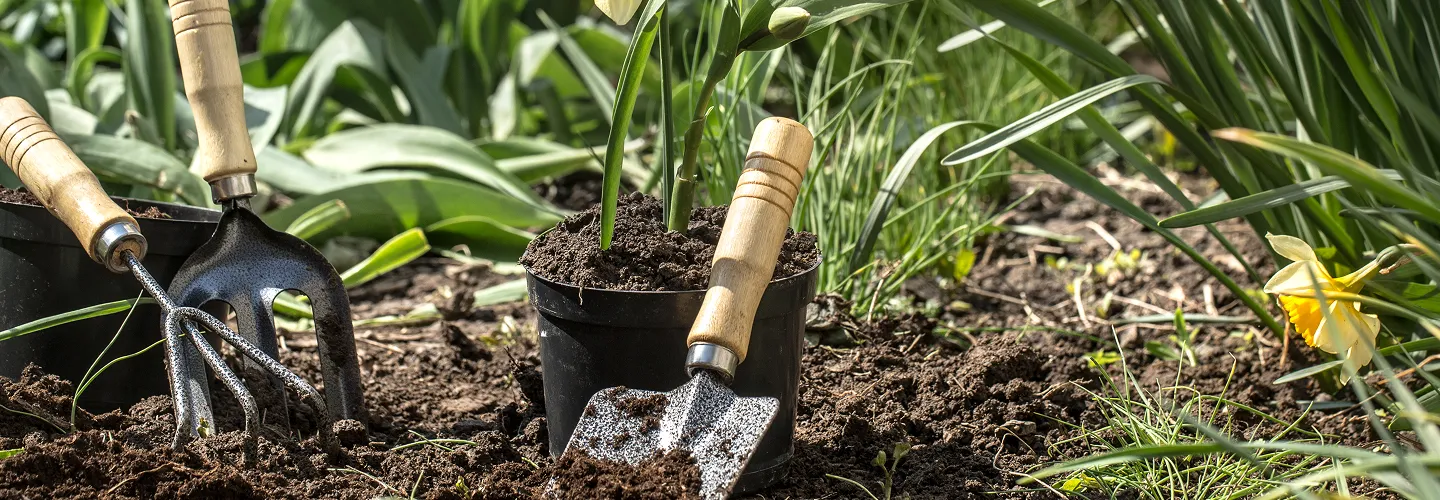
Garden Ridge Lawn Leveling Services
Choose our expert lawn leveling services for a smoother, healthier yard that enhances curb appeal, prevents drainage issues, and creates a safer, more enjoyable outdoor space for your family.
Get a Free QuoteOur Garden Ridge Landscaping & Yard Care Services
When to Schedule Lawn Leveling in Garden Ridge, Texas – Seasonal Guide
In Garden Ridge, Texas, the best time to schedule lawn leveling is typically during late spring or early fall. These seasons offer moderate temperatures and consistent rainfall, which help newly leveled lawns recover quickly and establish healthy growth. The local climate, characterized by hot, humid summers and mild winters, means that working outside of the peak heat and avoiding the risk of frost is essential for optimal results. Neighborhoods near Bracken Cave Preserve and the shaded lots around Forest Waters often experience unique microclimates, so timing may vary slightly depending on your property’s exposure and soil conditions.
Local environmental factors play a significant role in determining the right time for lawn leveling. For example, areas with heavy clay soils, common in Garden Ridge, require careful moisture management to prevent compaction. Properties with dense tree coverage, such as those near the Garden Ridge Community Center, may need to consider shade and leaf litter, which can affect grass recovery. Additionally, it’s important to stay informed about municipal watering restrictions and seasonal drought risks, which are regularly updated on the official city website.
Local Factors to Consider for Lawn Leveling in Garden Ridge
- Tree density and shade coverage
- Soil type (clay, loam, or sandy soils)
- Terrain slope and drainage patterns
- Seasonal precipitation and humidity levels
- Proximity to local landmarks or natural preserves
- Municipal watering restrictions and drought advisories
Benefits of Lawn Leveling in Garden Ridge
Enhanced Curb Appeal
Improved Lawn Health
Safer Outdoor Spaces
Efficient Water Drainage
Increased Property Value
Professional Landscaping Expertise
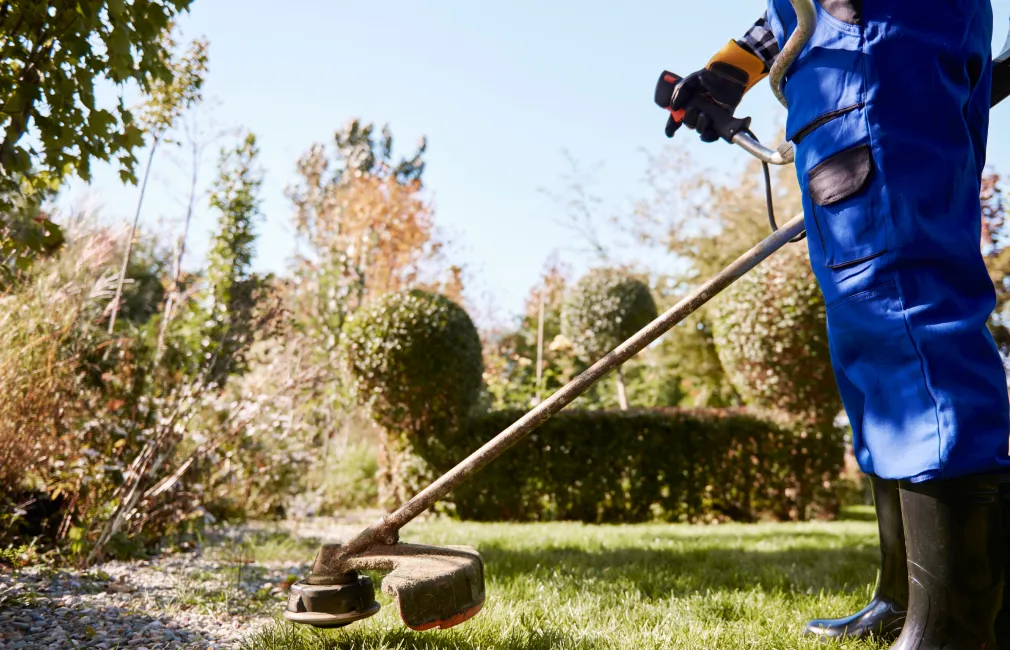
Garden Ridge Lawn Leveling Types

Topdressing Lawn Leveling
Topdressing involves spreading a thin layer of soil or sand to even out minor bumps and depressions.
-
Laser Grading
Laser grading uses precision equipment to achieve a perfectly level lawn surface for optimal drainage.
-
Sod Removal and Replacement
This method removes uneven sod and replaces it after regrading the soil beneath.
-
Soil Compaction Correction
Addressing compacted soil helps restore lawn level and promotes healthy grass growth.
-
Fill and Seed Leveling
Low spots are filled with soil and reseeded to create a smooth, even lawn.
-
Power Raking and Leveling
Power raking removes thatch and debris, making it easier to level the lawn surface.
Our Lawn Leveling Process
Site Evaluation
Soil Preparation
Leveling Application
Compaction
Final Inspection
Why Choose Garden Ridge Landscape Services
Garden Ridge Homeowners Trust Us
-
Expert Lawn Maintenance
-
Reliable Scheduling
-
Competitive Pricing
-
Professional Team
-
Satisfaction Guarantee
-
Personalized Service
-
Locally Owned and Operated
Soil Series and Drainage Challenges for Lawn Leveling in Garden Ridge
Lawn leveling in Garden Ridge requires careful consideration of the city’s predominant soil types, which include Houston Black clay and Branyon clay loam, as identified by the USDA Web Soil Survey. These soils are characterized by high clay content, pH levels typically ranging from 7.5 to 8.2, and poor drainage, leading to frequent surface irregularities and water pooling. For effective leveling, it is recommended to incorporate 2-3 inches of screened compost or sand, tilled to a depth of 4-6 inches. Soil testing through Texas A&M AgriLife Extension (cost: $15-25) is advised to determine amendment needs. Residents should avoid leveling during periods of saturated soil to prevent compaction.
Garden Ridge TX Public Works
9400 Municipal Parkway, Garden Ridge, TX 78266
Phone: (210) 651-6632
Official Website: Garden Ridge TX Public Works
provides guidance on drainage improvements and soil management for residential properties.
Equipment Operation Hours and Noise Ordinance Compliance for Lawn Leveling in Garden Ridge
Lawn leveling activities in Garden Ridge are subject to municipal noise ordinances and equipment operation restrictions. According to city code, powered landscaping equipment may be operated only during the following hours:
- Monday-Friday: 7:00 AM - 7:00 PM
- Saturday: 8:00 AM - 6:00 PM
- Sunday and holidays: Prohibited Noise levels must not exceed 85 decibels at the property line. Operators are required to use commercial-grade equipment with functioning mufflers and to wear ANSI Z87.1 safety glasses, hearing protection for noise above 85 dB, and steel-toed boots. For projects near public roads, a minimum 15-foot safety buffer must be maintained from traffic.
Garden Ridge City Ordinances
9400 Municipal Parkway, Garden Ridge, TX 78266
Phone: (210) 651-6632
Official Website: Garden Ridge City Ordinances
provides the full text of local regulations.
Stormwater Management and Environmental Compliance for Lawn Leveling in Garden Ridge
Proper lawn leveling in Garden Ridge must comply with local and state stormwater management requirements to protect Cibolo Creek and nearby wetlands. The city’s MS4 permit, regulated under the Clean Water Act and enforced by the Texas Commission on Environmental Quality, prohibits the discharge of soil, debris, or lawn clippings into storm drains. Key compliance steps include:
- Maintain a 25-foot no-disturbance buffer from wetlands and drainage ditches
- Use silt fencing or straw wattles to prevent sediment runoff
- Schedule leveling outside of forecasted rain events (check National Weather Service Austin/San Antonio)
- Collect and dispose of excess soil at approved municipal sites Violations may result in fines or remediation orders. For technical guidance, consult EPA Region 6 and Texas Water Code.
Texas Commission on Environmental Quality
12100 Park 35 Circle, Austin, TX 78753
Phone: (512) 239-1000
Official Website: Texas Commission on Environmental Quality
Optimal Timing and Seasonal Considerations for Lawn Leveling in Garden Ridge’s Climate
Garden Ridge is located in USDA Hardiness Zone 8b, with average annual minimum temperatures of 15-20°F and a growing season from mid-March to late November. The best periods for lawn leveling are:
- Spring: March 15 - May 15 (soil temperature 60-75°F)
- Early Fall: September 1 - October 15 (before first frost) Avoid leveling during June-August due to heat stress and rapid soil drying, and during winter when soil is dormant. Monitor local weather forecasts via the National Weather Service Austin/San Antonio to avoid rain events that can cause erosion. For cool-season turf, reseeding should follow leveling within 7 days. For warm-season grasses, allow 2-3 weeks for soil settling before overseeding.
Texas A&M AgriLife Extension
17360 State Highway 46 W, Spring Branch, TX 78070
Phone: (830) 221-2050
Official Website: Texas A&M AgriLife Extension
provides additional seasonal recommendations.
What Neighborhoods Do We Serve Throughout Garden Ridge, TX?
- Forest Waters: Features mature oak stands and heavy clay soils with moderate slope, requiring careful grading and erosion control during leveling.
- Georg Ranch: Newer development with expansive lots and compacted fill soils; drainage improvements are often necessary to address pooling after heavy rain.
- Trophy Oaks: Characterized by dense tree canopy and shallow limestone bedrock, which can complicate soil amendment and require specialized equipment.
- Regency Oaks: Contains a mix of established lawns and newer construction, with variable soil compaction and HOA guidelines affecting leveling practices.
- Wild Wind: Large properties with open exposures and wind-driven erosion risks; attention to soil stabilization and runoff management is critical.
- Arrowood Estates: Located near Cibolo Creek, this area has floodplain considerations and stricter buffer requirements for work near water bodies.
- Garden Ridge Estates: Older neighborhood with established turf and moderate slopes, often requiring periodic re-leveling due to soil settling and tree root growth.